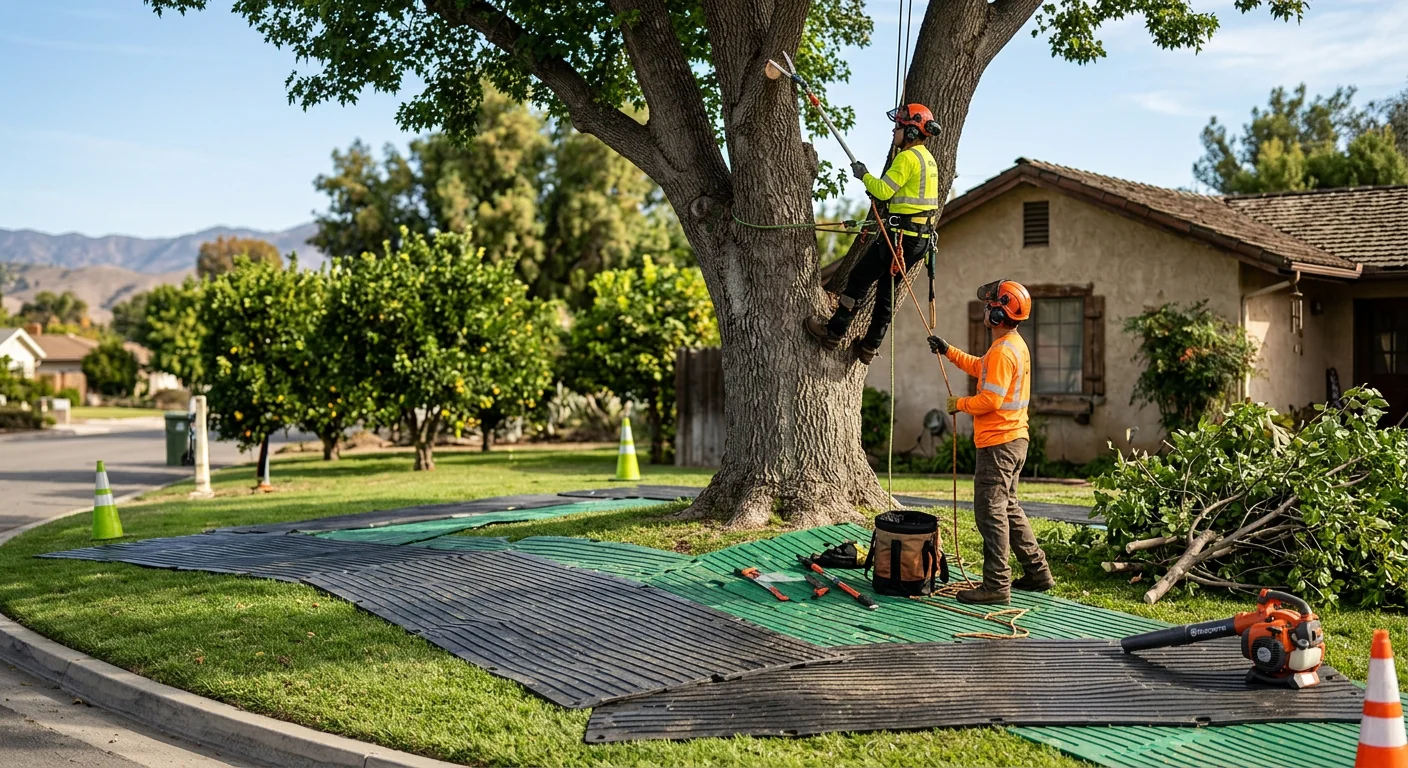
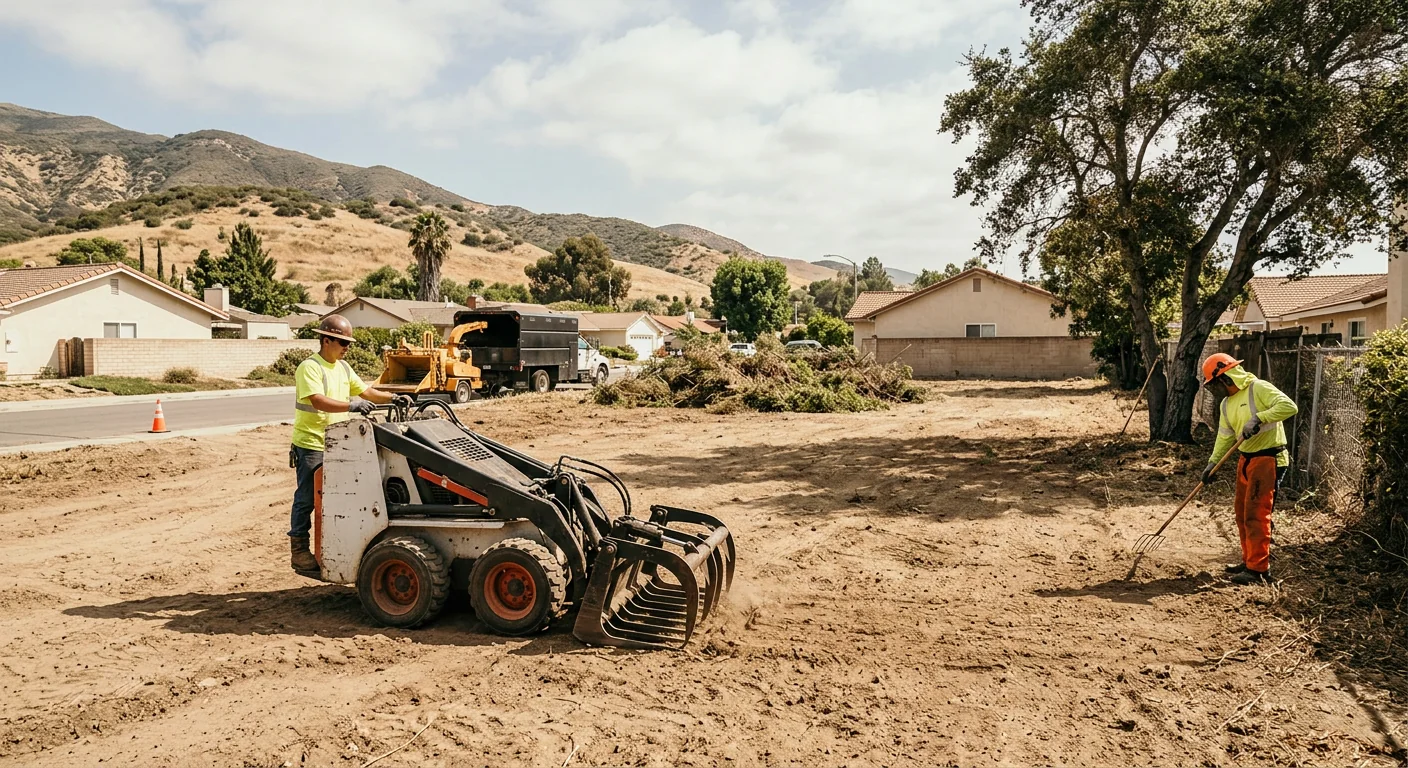
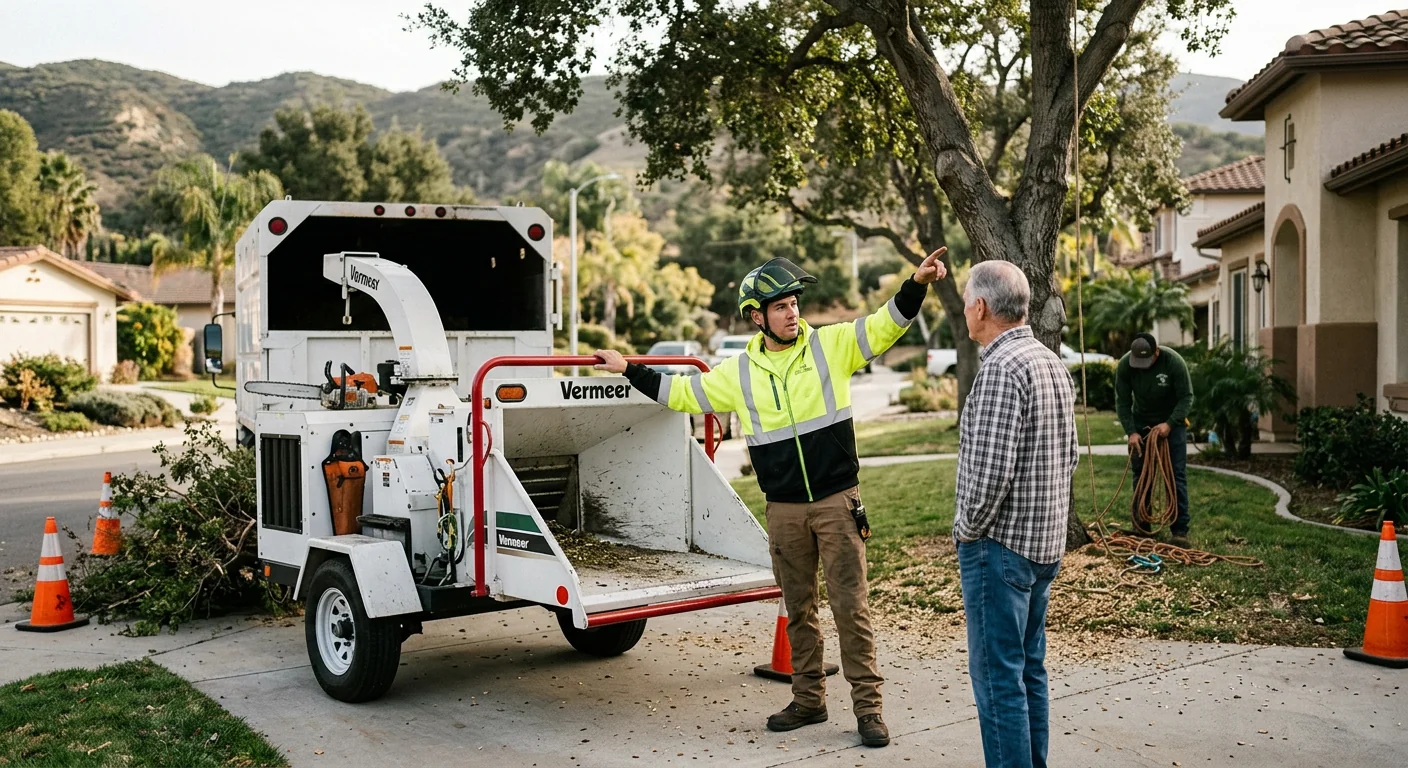
Clearing a lot for building, farming, or fire prevention starts with mapping which trees, brush, and undergrowth need to go and which mature specimens are worth protecting. Our crews stage equipment to limit soil disruption, remove vegetation in sequence, and haul debris off-site so the parcel is graded, tidy, and ready for its next use.
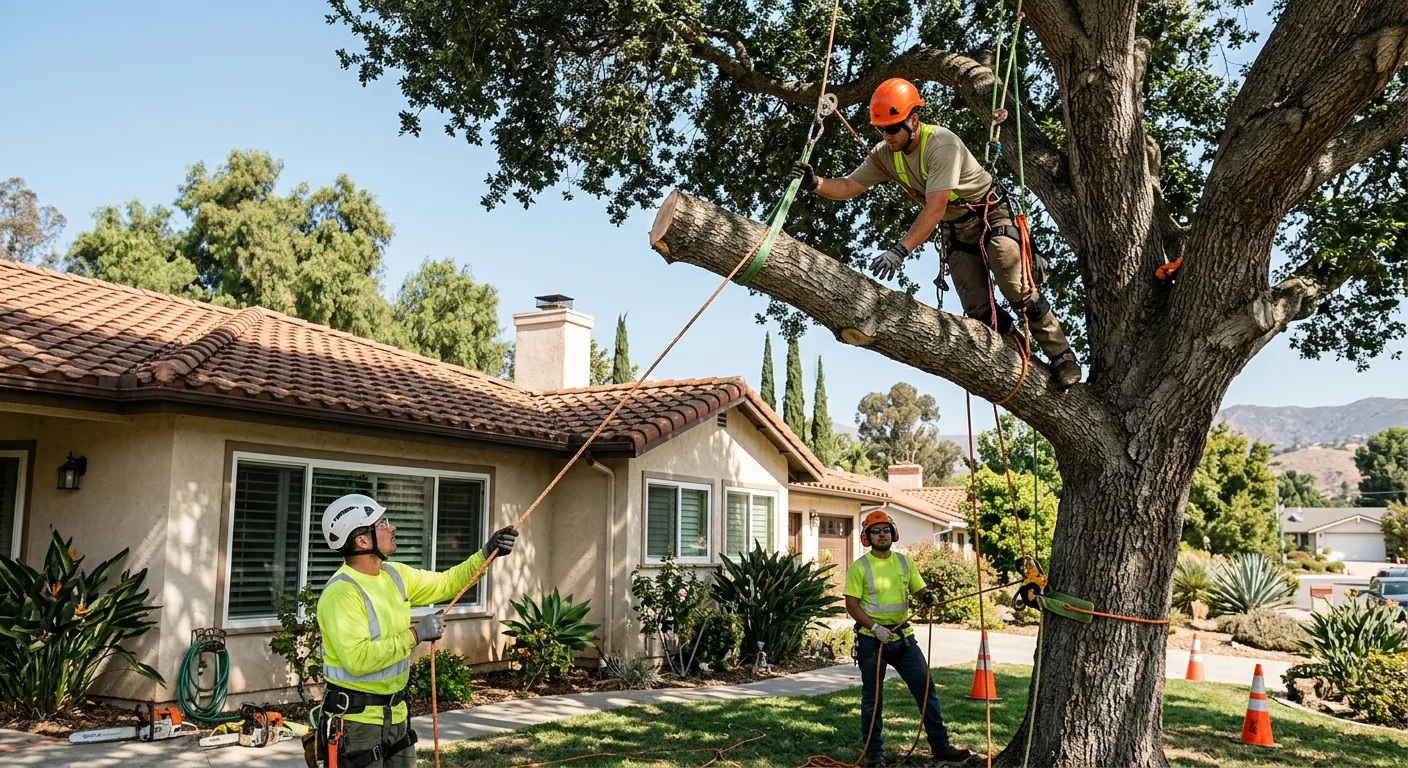
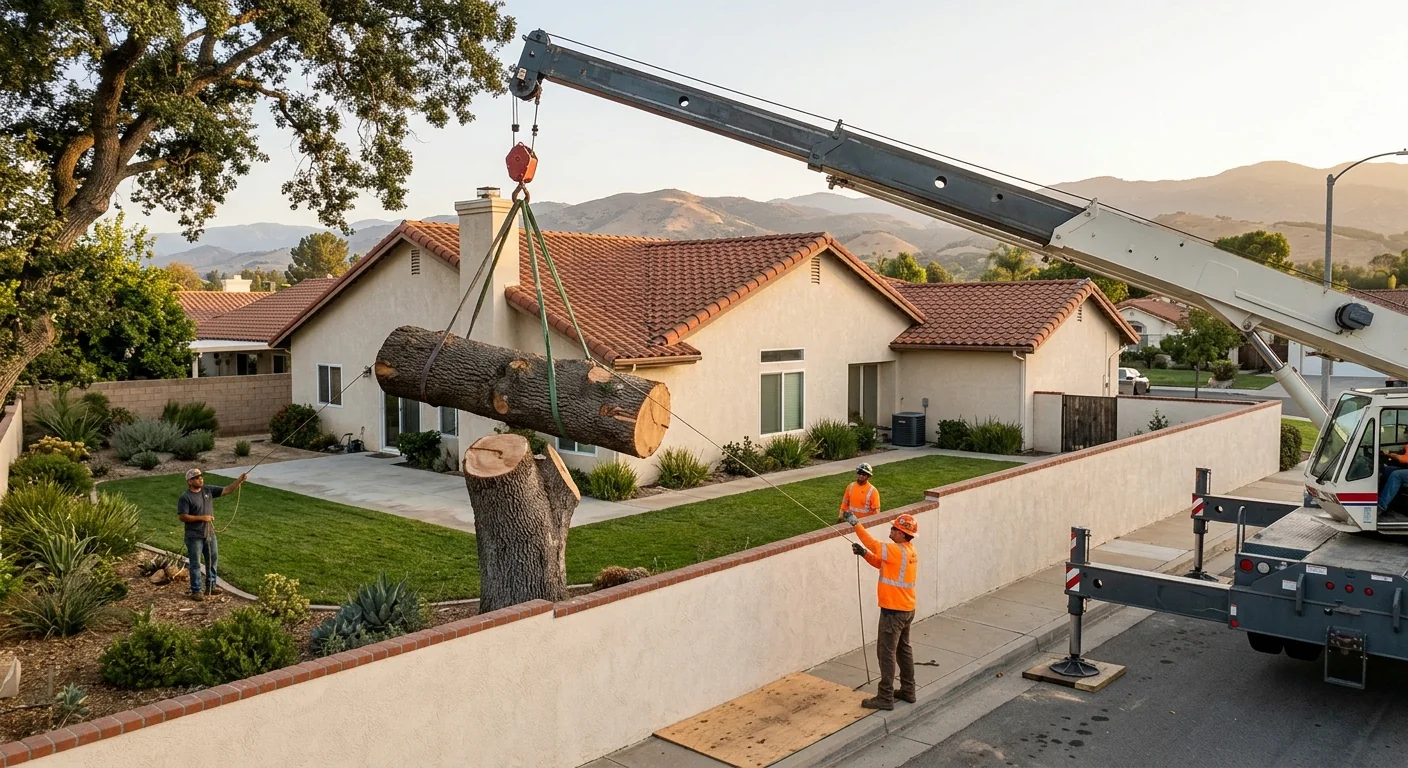
Learn MoreWhen a tree is too large, unstable, or tightly surrounded by structures for a standard climb, crane-assisted removal lifts sections out cleanly instead of dropping them. We calculate load weights, set the pick points, and coordinate signals between the operator and climber to protect roofs, pools, and neighboring yards throughout the removal.
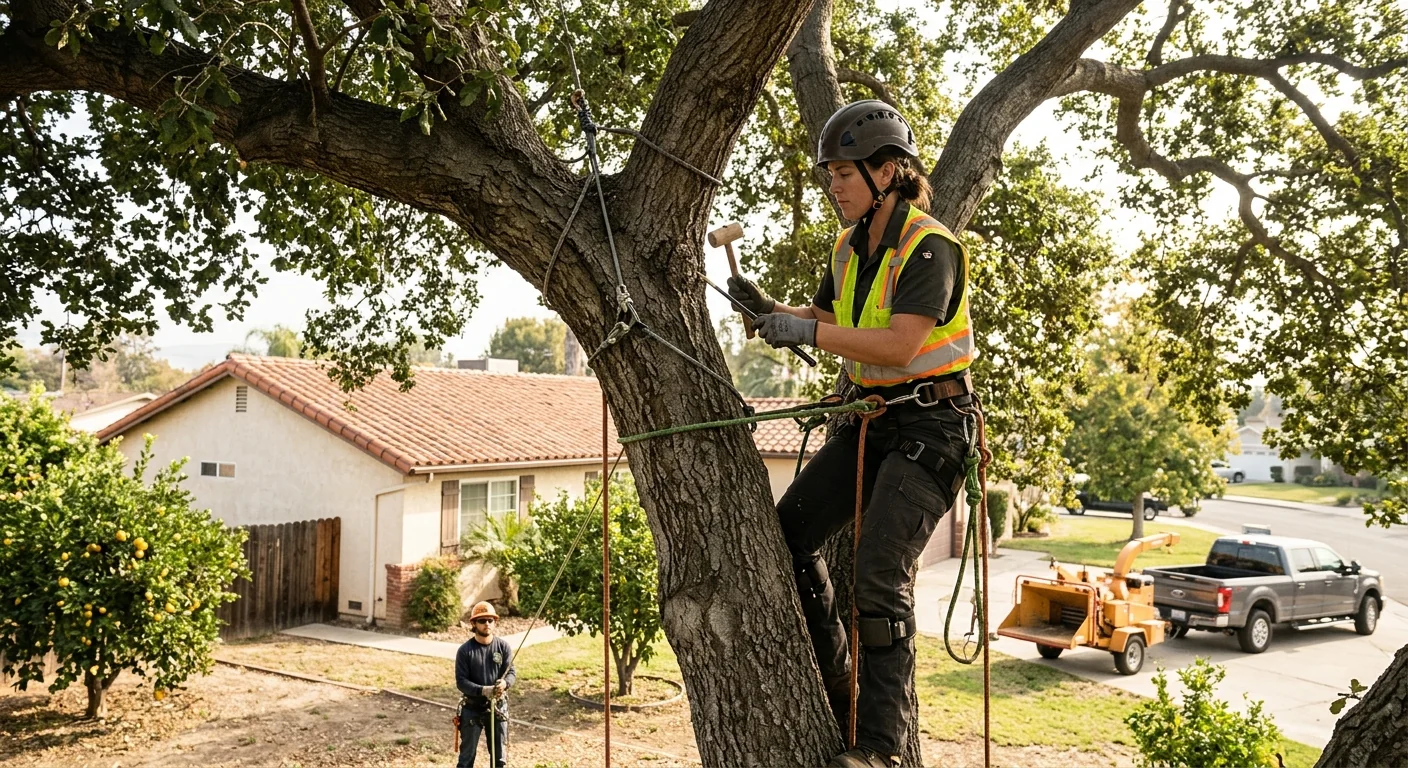
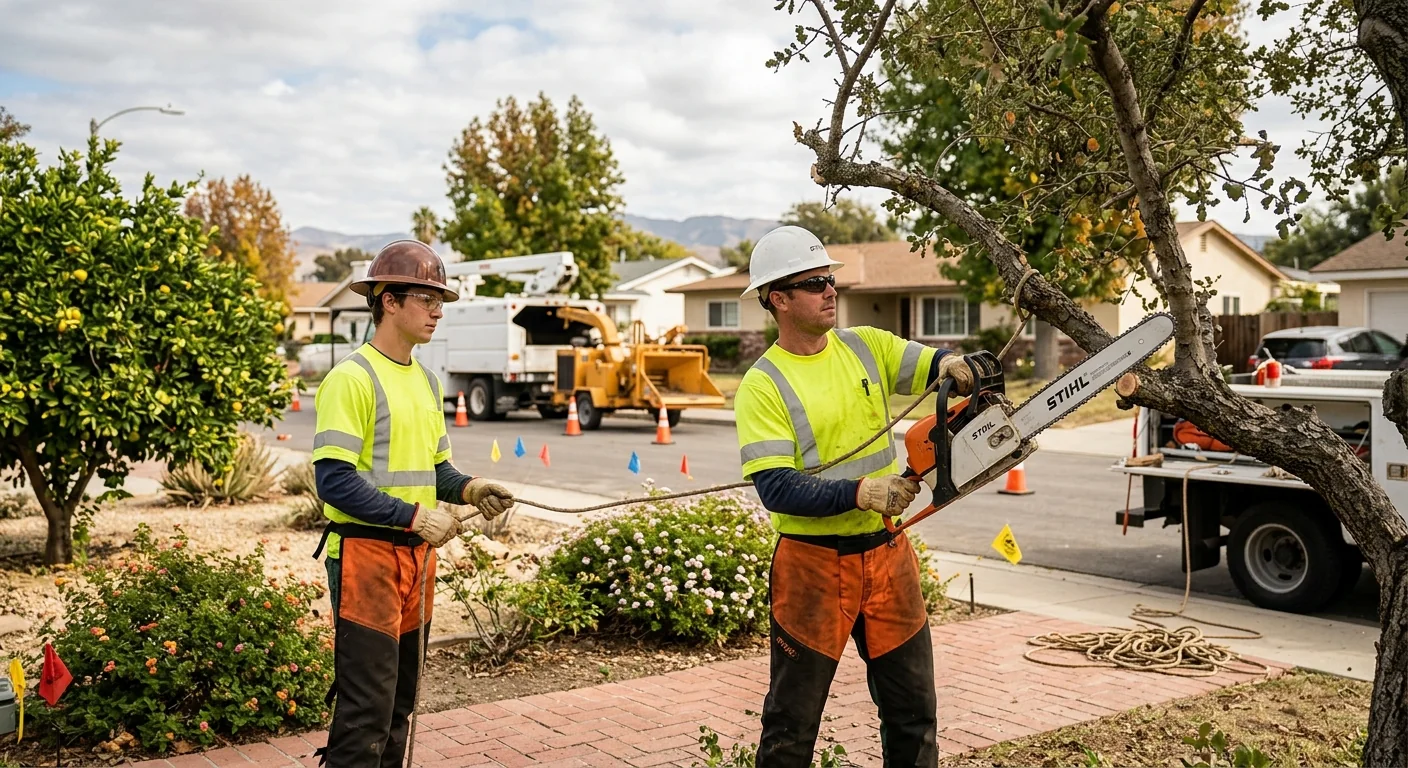
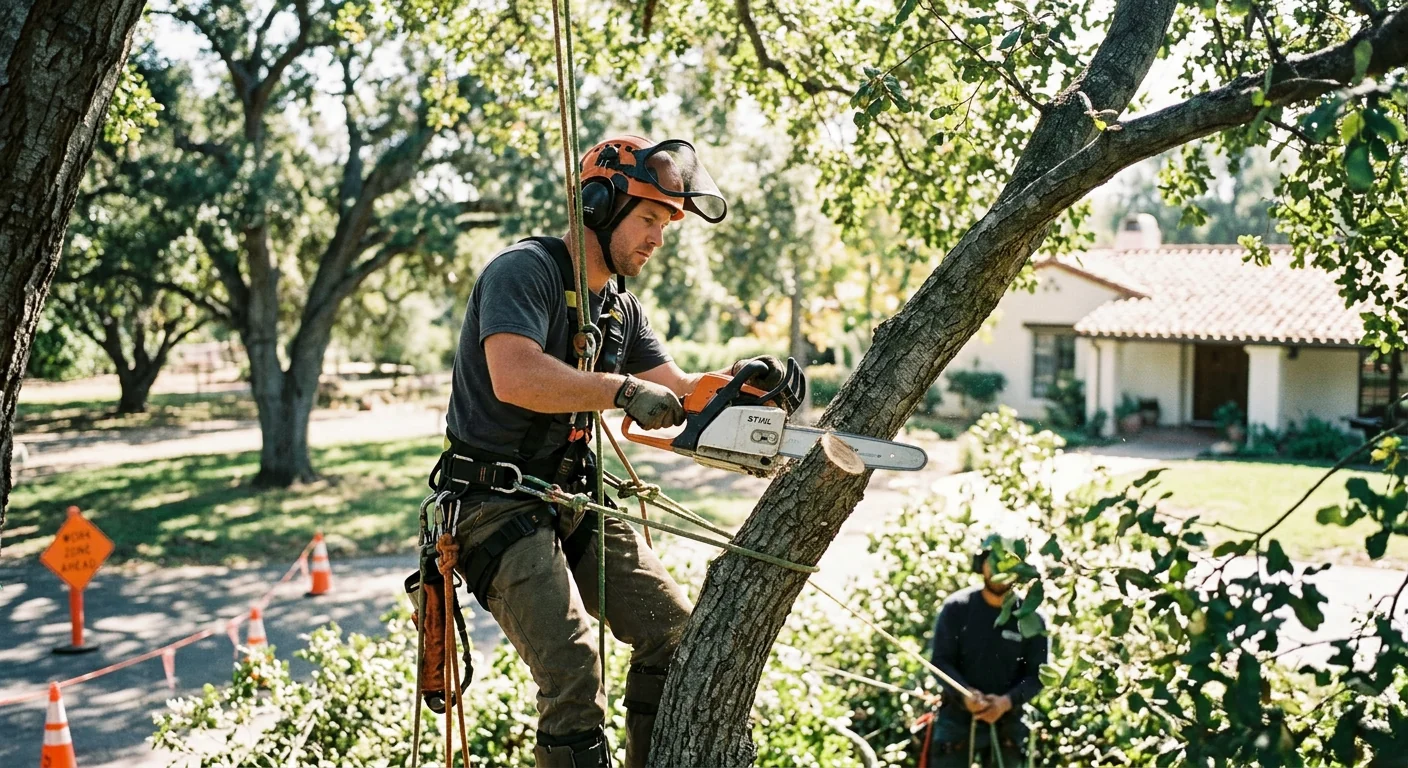
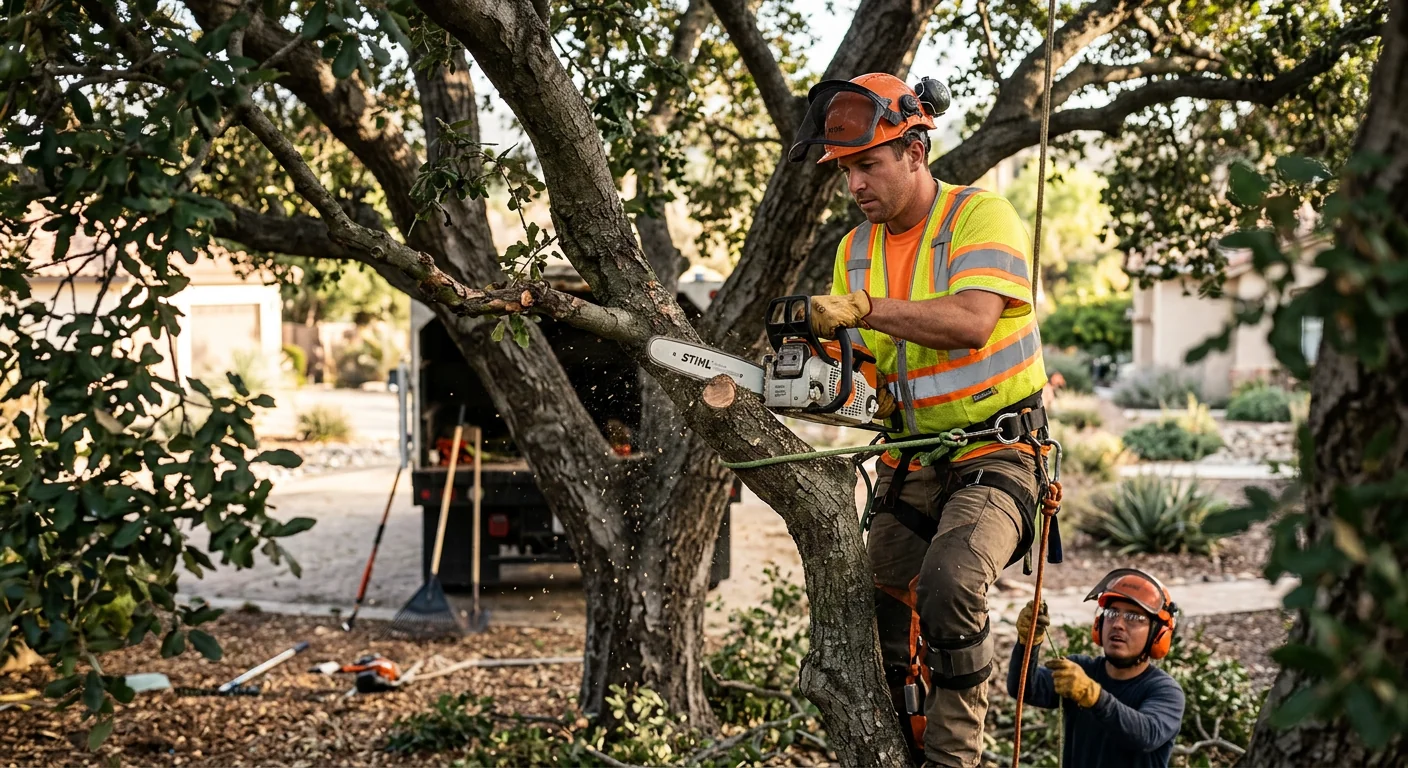
Learn MoreRemoving a declining, crowded, or poorly placed tree involves more than felling a trunk. We evaluate lean, decay, and drop zones, then use controlled rigging to lower limbs in stages when open felling is not safe. Every removal ends with a cleared work area and options for stump grinding.
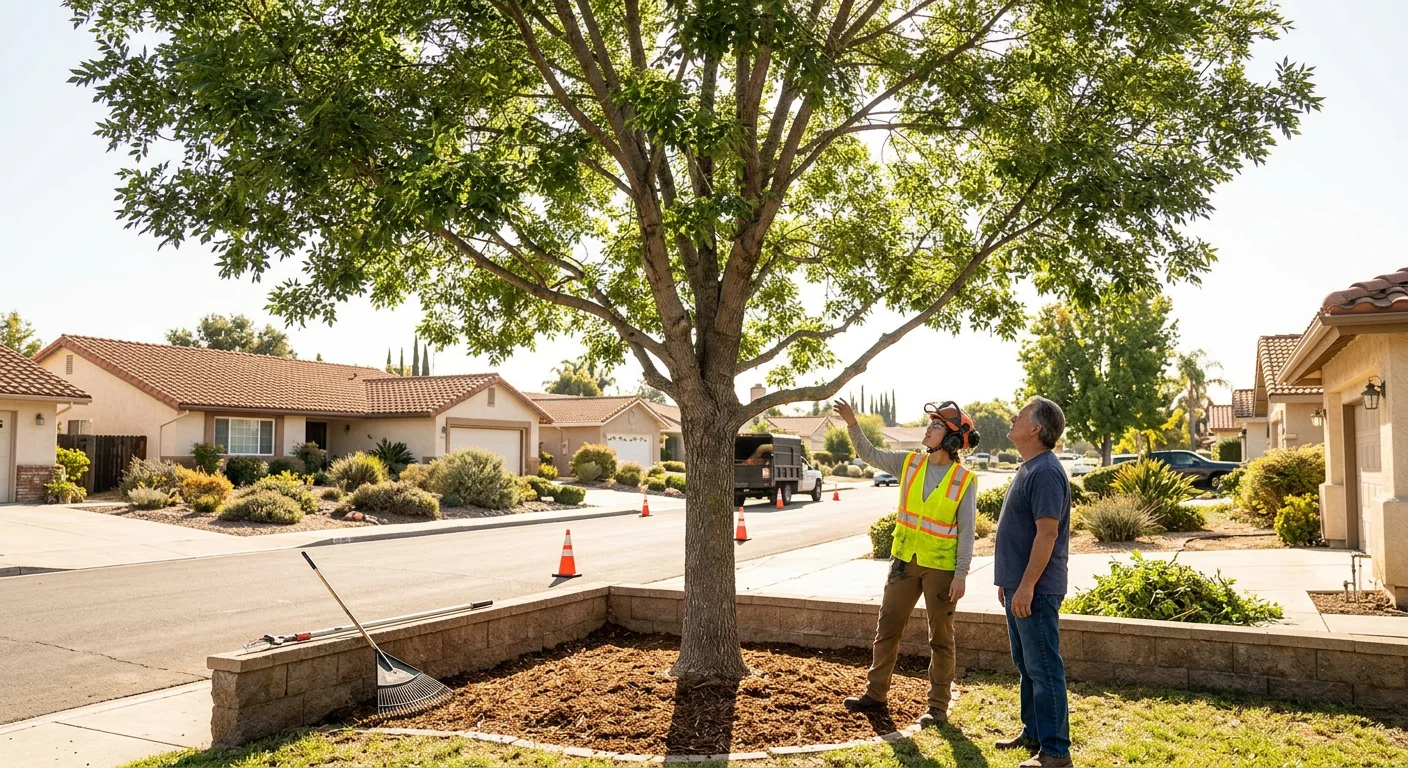
Learn MoreStructural tree pruning improves a tree’s long-term health by removing dead, crossing, or weakly attached branches at the right collar points. We follow proper cut placement to avoid tearing bark or leaving stubs, which reduces disease entry and helps the canopy carry wind and fruit loads more safely. Contact us with your tree pruning needs.
Learn MoreOvergrown brush along fences, slopes, and structures adds fuel load and hides pests, so clearing it back improves both fire safety and access. Our crews cut, gather, and haul away accumulated undergrowth, then leave defensible space that meets local clearance expectations for Santa Paula properties.
Learn MoreTree Trimming covers the site conditions, scope, materials, and timing that affect tree trimming for Santa Paula, CA properties. Santa Paula Tree Services confirms the next step and keeps the work focused on a practical tree trimming result.
Learn MoreWhen a limb splits or a tree fails onto a home, vehicle, or roadway, quick and careful response limits further damage. Our team stabilizes the immediate hazard, assesses tension and compression in fallen wood, and removes the threat using measured cuts rather than rushed ones.
Learn MoreA risk assessment gives homeowners a clear picture of whether a tree is a hazard worth acting on. We inspect the trunk, root flare, and canopy for decay, cavities, cracks, and lean, then document findings and recommend whether monitoring, pruning, cabling, or removal is the responsible next step.
Learn MoreChoosing and placing the right tree prevents future conflicts with foundations, sidewalks, and utility lines. We match species to soil, sun, and spacing conditions, set proper planting depth, and advise on staking and early watering so new trees establish strong root systems.
Learn MoreOngoing maintenance catches problems like fungal infection, pest infestation, and nutrient stress before they weaken a tree. We monitor foliage color, dieback, and soil conditions across visits, then adjust pruning and care recommendations to keep established trees structurally sound.
Learn MoreAfter heavy wind or rain, split limbs, hanging branches, and uprooted trees create layered hazards that need careful handling. We work through downed wood under tension methodically, clear debris from access points and structures, and evaluate remaining trees for hidden cracks or destabilized roots.
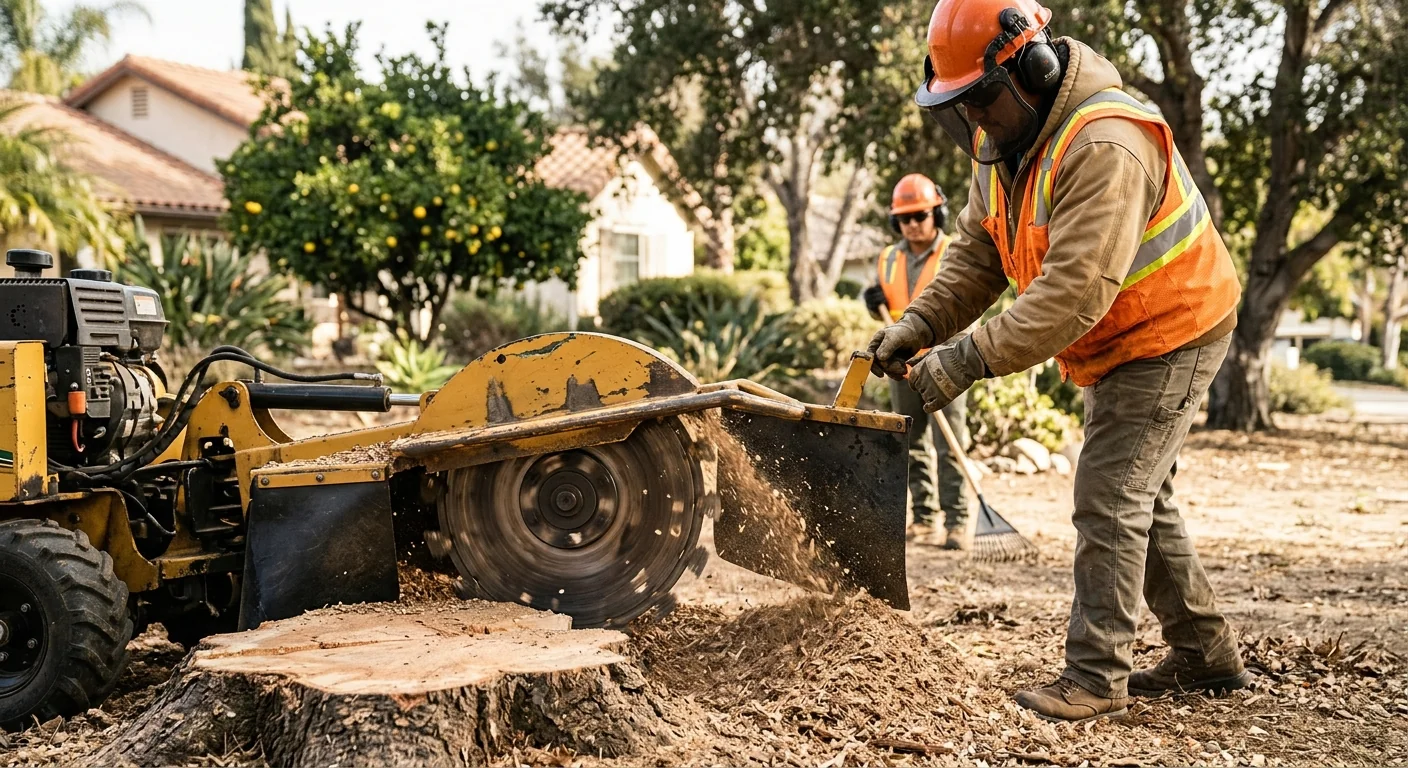
Learn MoreLeftover stumps invite decay, pests, and regrowth while blocking landscaping plans. Using a stump grinder, we reduce the stump and major surface roots below grade, then leave the grindings or clear them so the area can be replanted or leveled for new use. Call us for stump grinding services
Learn MoreTrees that lean over homes, show advanced decay, or sit dangerously near power lines call for a deliberate, safety-first removal plan. We assess failure points, set controlled rigging and drop sequences, and coordinate clearances to bring compromised trees down without endangering people or property.
Learn MoreTrees with weak crotches or heavy co-dominant stems can often be preserved with structural support instead of removal. We install cables and bracing hardware at engineered points to reduce strain on vulnerable unions, helping mature trees resist splitting during wind and heavy loads.
Learn More